The Patience of Unglazed Clay
Why the most prized teapot in China is also the plainest — and what an object that improves with use can teach a culture in a hurry.
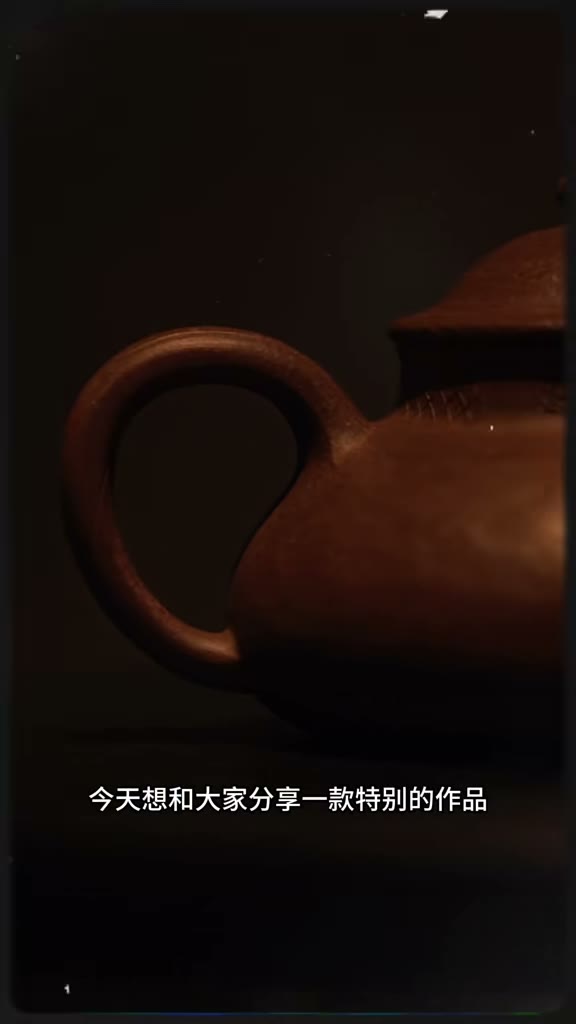
There is a kind of beauty that refuses to arrive all at once. A Yixing teapot leaves the kiln matte and almost severe, its purple-brown surface closer to river stone than to porcelain. It is not meant to dazzle on day one. Pour tea through it for a year, wipe it after each session, and the clay begins to answer — taking on a low, oiled sheen the Chinese call 包浆 (bāo jiāng), the patina of use. The pot you end with is partly your own making. In a culture trained to want things finished and shipped overnight, this is a quietly radical proposition: that an object can be designed, on purpose, to reward the slow.
It begins underground. Yixing's 紫砂 — “purple sand” — is mined as a hard rock, weathered, ground, and aged for years before a potter ever touches it. Fired without glaze, it keeps a fine, breathing porosity: microscopic pockets that hold the warmth of the water and, over time, the memory of the leaf. Brew the same tea in the same pot long enough and the empty vessel will smell of it. Some collectors keep one pot for one tea their whole lives, and would no more cross-brew than salt their coffee.
This is the opposite of disposability, and it is worth sitting with. The teapot does not ask to be admired and replaced. It asks to be used, daily, for decades — to become more itself, and a little more yours, with every cup. That is the lesson the scholar's table has always offered, and the one we find most worth carrying West.