The Ornamentalist
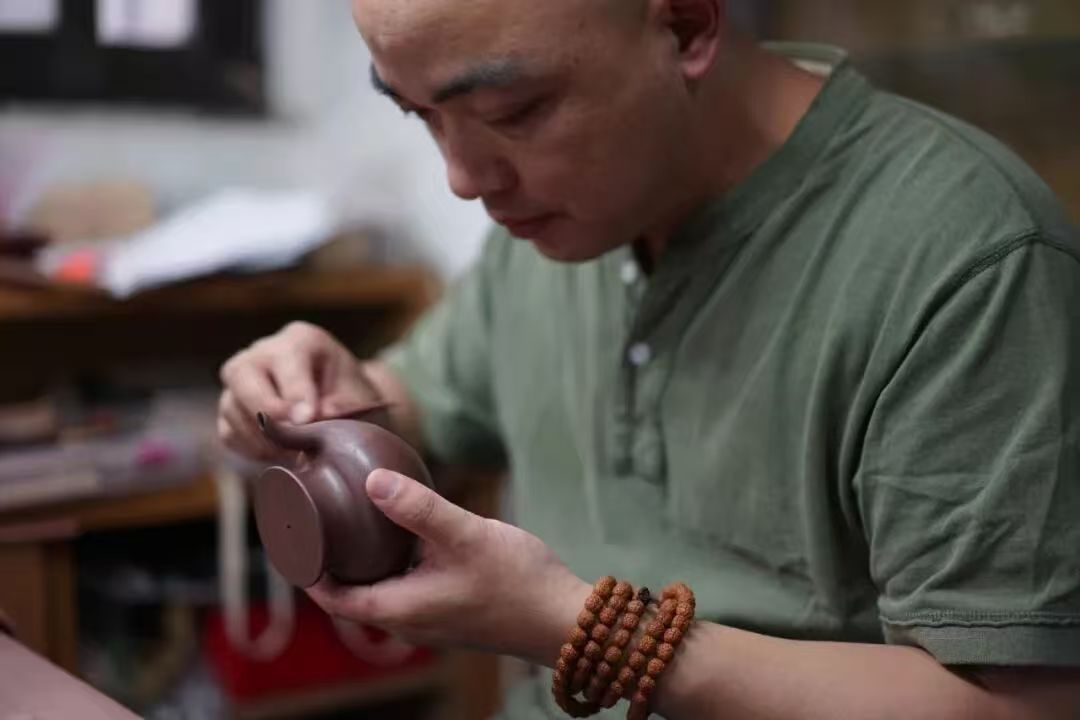
Xiang Feng 向峰
Melon-ribbed bodies, plum blossoms pressed in living relief, bamboo-handled kettles topped with a scholar's rock. Refined, exacting, joyful — the decorative literati tradition at full voice.
His work →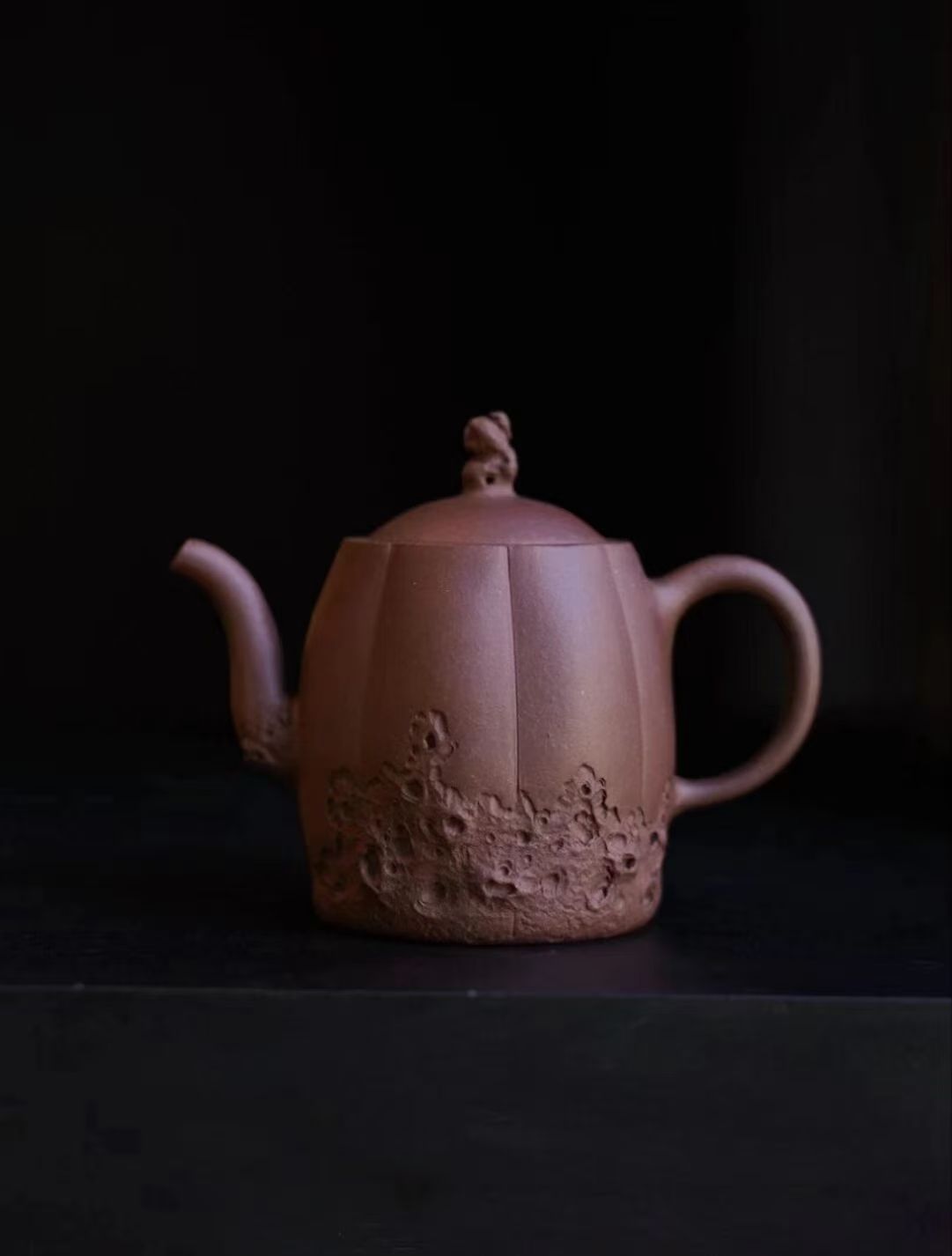
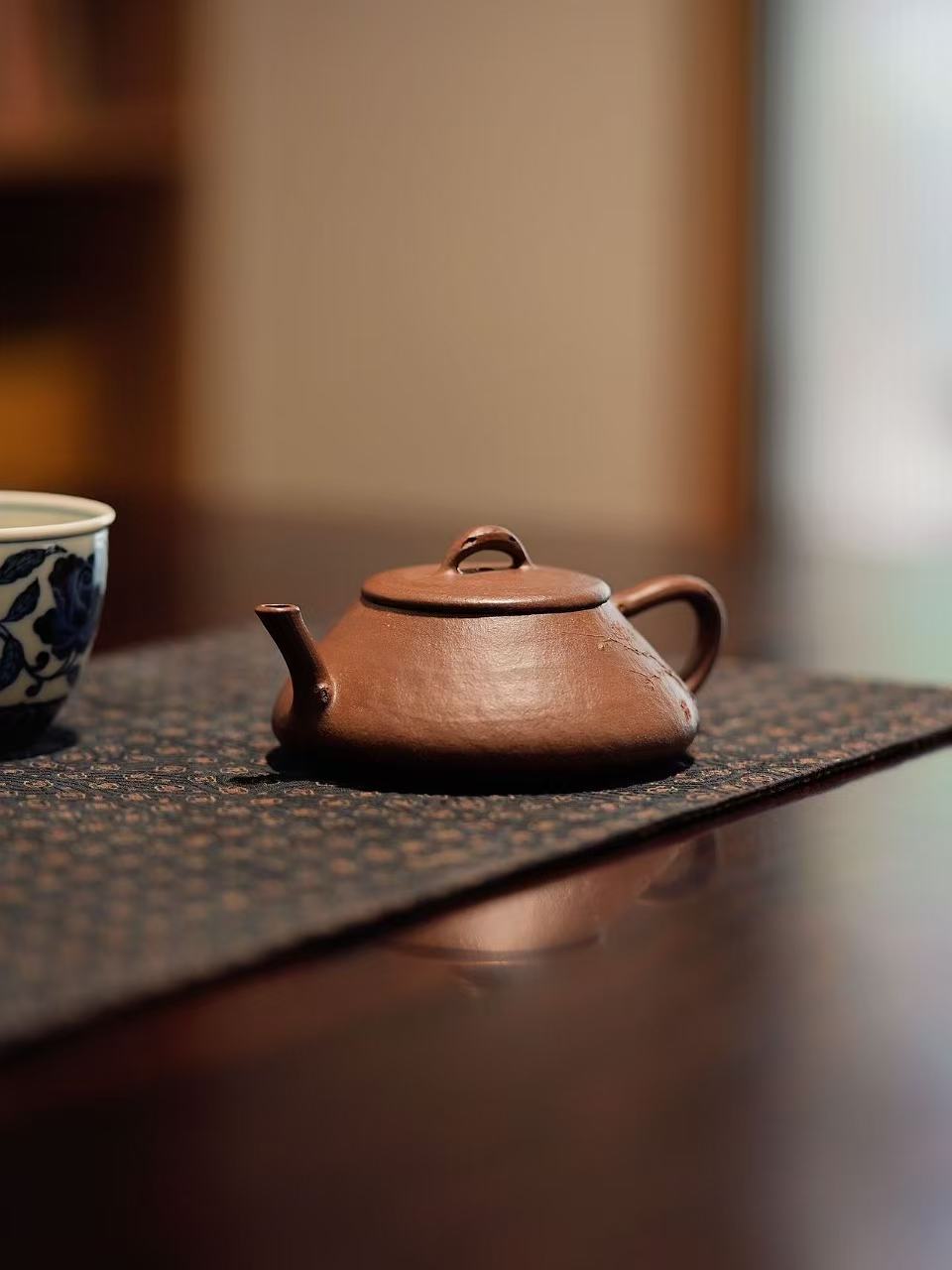
Collectible Yixing teapots, shaped by hand from raw mountain clay — and the quiet objects that keep them company. A house for Chinese aesthetics, told plainly.
In a tea master's room, the kettle sings before it boils — a low rush the old poets called sōng fēng, “wind in the pines.” It is the sound of attention. We named the studio for it.
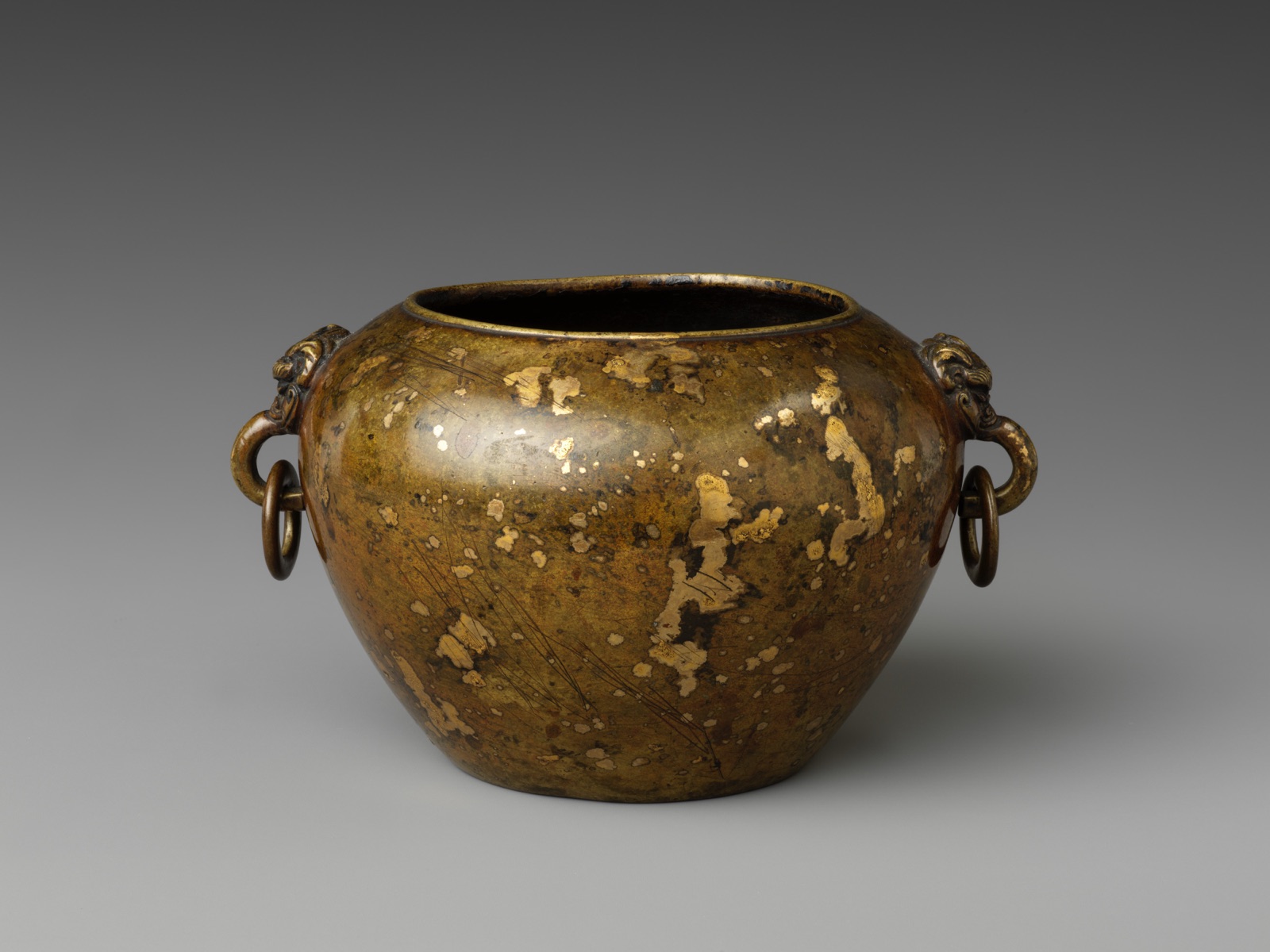
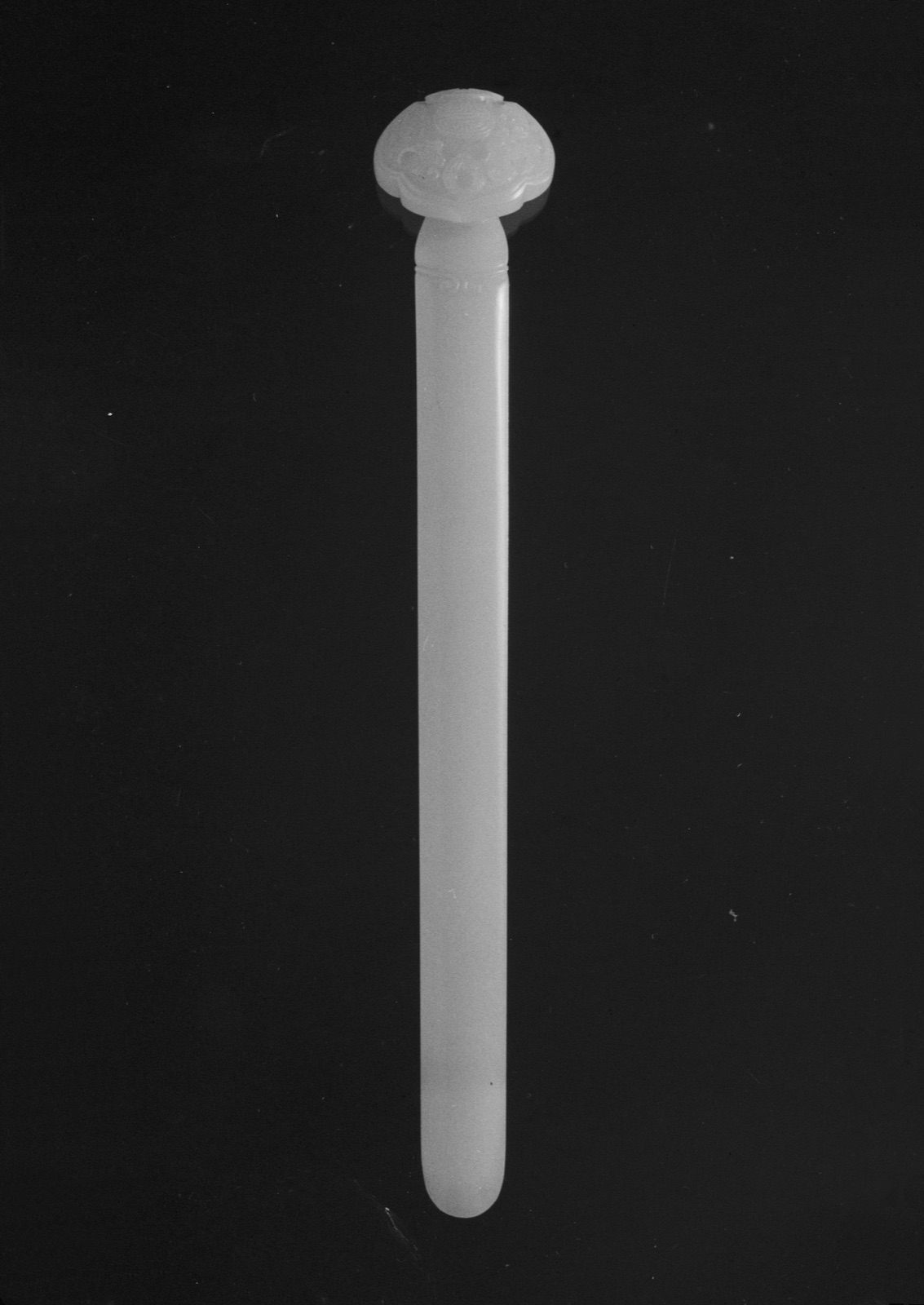
Pine Wind is not a single shelf of teapots. It is a small house gathering the objects of the Chinese scholar's table — the pot, the censer, the pin in the hair — each made by hand, each carrying a maker's name. We bring them West without costume or apology: the real thing, explained with care.
Melon-ribbed bodies, plum blossoms pressed in living relief, bamboo-handled kettles topped with a scholar's rock. Refined, exacting, joyful — the decorative literati tradition at full voice.
His work →
Pots coil-built by hand the ancient way (盘筑) and fired with wood, so flame and ash write the colour. Spare, quiet, weathered — the beauty of the unforced thing.
His work →No mould, no wheel. Chen Xuewen builds Yú coil by coil between his palms, then gives it to the wood kiln for three days and nights. What comes out, no one can repeat — the amber blush along its shoulder is the fire's signature, not the maker's.
See this teapot →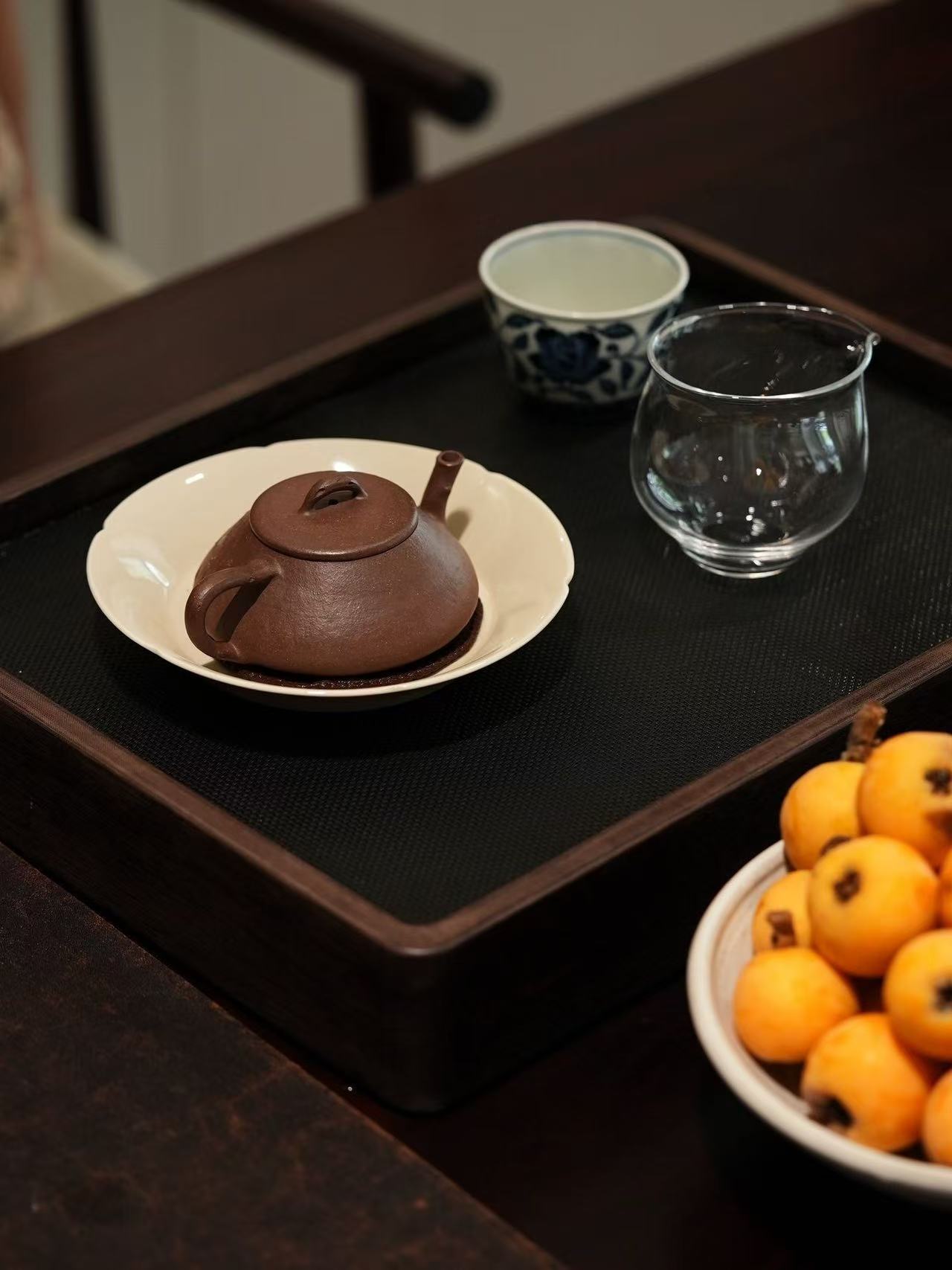
Yixing clay is unglazed and faintly porous. Over years, it drinks in the spirit of the tea you brew, until the empty pot smells of leaves and the tea tastes rounder, older, more itself. We write about these things — slowly, and without mystification.
Read the Journal →New pieces are few and often one of a kind. Leave an address and we'll write before they reach the shelf.